A Day in the Life of a Quality Lead at Boneham & Turner
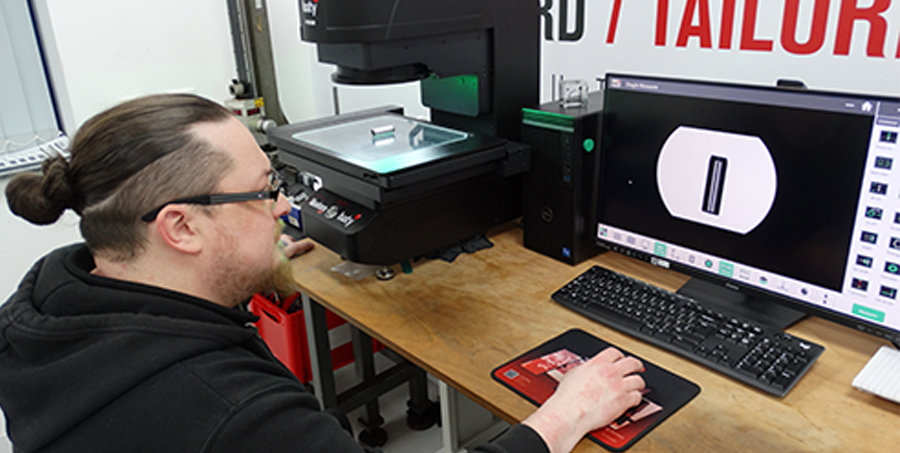
For Brett, Quality Lead at Boneham & Turner, working in precision engineering means balancing technical accuracy, customer expectations, and ever-changing priorities, all while ensuring that every component leaving the business meets the highest standards.
His role centres around inspection and compliance at every stage of production. This includes:
- Final inspection
- First-off and in-process inspection
- Heat treat and blacking inspection
- Goods-in inspection
- Visual inspection
- Material checks and material certification verification
Alongside physical inspection, Brett manages critical documentation and quality control processes. He completes F.A.I.R. reporting (First Article Inspection Reports), authorises Certificates of Conformity (CofC), raises NCRs (Non-Conformance Reports), manages concessions, and oversees the control of non-conforming parts when required.
Ensuring all measuring equipment is calibrated and correctly identified is another essential responsibility. From micrometres and callipers to thread gauges, optical scanning equipment, shadow graphs, hardness testers, surface testing tools, microscopes, height gauges, bore gauges, and clocks, accuracy is everything.
He also conducts contract reviews and provides technical support on specifications and drawings, ensuring the team is always working to the correct revision levels.
When Priorities Shift
While there is structure to the role, flexibility is key.
“Priority can change daily,” Brett says. “Urgent jobs can drop at any point and must be completed quickly.” Jobs requiring reports or subcontract processing may need to be pushed ahead of schedule. Work is often directed by job card instructions, including colour-coded systems and required completion dates.
And that’s before factoring in customer interactions, calibration management, and audits, all of which must be handled without disrupting production flow.
A Methodical Approach to Problem-Solving
When issues arise, Brett relies on a structured, step-by-step method. First, he clearly identifies the issue. Then he reviews all relevant drawings and specifications to ensure any solution aligns with design intent. He breaks the problem down into manageable stages, analyses possible solutions within given constraints, and implements the most effective course of action carefully.
Finally, he verifies the outcome against specifications and documents the entire process, ensuring traceability, compliance, and continuous improvement. It’s a disciplined approach that reflects the wider culture of quality within the business.
Why Engineering?
For Brett, engineering offers the perfect balance “It appeals to me because it combines practical, hands-on tasks with clear technical standards. I enjoy the structured nature of problem-solving and the constant opportunity to learn new skills."
The Challenges of the Role
Engineering can be demanding. Balancing hands-on inspection work with problem-solving and documentation can be challenging. Time management is critical, particularly when urgent jobs and audits coincide. But for Brett, the pace is part of what makes the job engaging.
Breaking the Misconceptions
One of the biggest misconceptions about engineering, Brett believes, is that it’s purely about maths and technical ability. “While strong technical knowledge is essential, the reality is that engineering involves a lot of problem-solving, communication, and collaboration.”
Advice for Future Engineers
For anyone considering a career in engineering, it’s a path that offers challenge, responsibility, and the satisfaction of knowing that precision and quality truly matter.